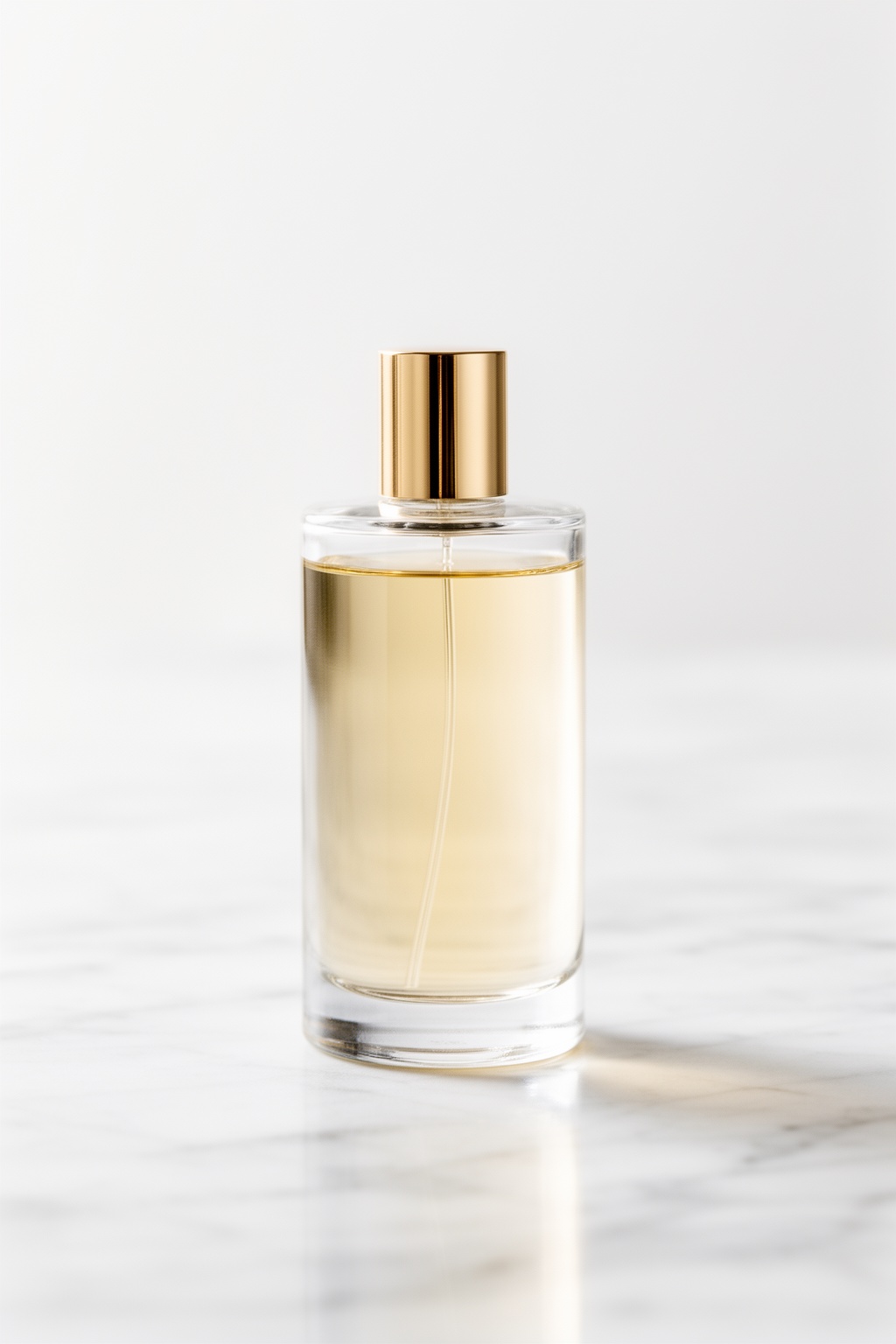
Same name, three bottles, three prices. The difference between an EDT, an EDP and a parfum is not marketing - it is concentration, and it decides how the fragrance behaves on your skin.
The numbers that matter
| Format | Oil concentration | Typical lifespan | Character |
|---|---|---|---|
| Eau de Toilette | 5-15% | 3-4 hours | Brighter, lighter, louder opening |
| Eau de Parfum | 15-20% | 6-8 hours | Rounder, warmer, closer to skin |
| Parfum / Extrait | 20-30% | 8-12 hours | Dense, intimate, richest drydown |
Why the same scent smells different
Concentration changes balance. EDTs push the volatile top notes - citrus and spice - so they sparkle and fade. Extraits are weighted toward base materials, so the drydown you love in the EDP may be twice as prominent. It is normal to prefer one format of a fragrance and dislike another.
Buying logic
- Hot climates and offices: EDT. Brightness beats density.
- Signature daily scent: EDP. The sweet spot of cost and performance.
- Evenings and cold weather: parfum, or an EDP with strong base notes.
You are not paying for liquid. You are paying for the percentage of it that is actually perfume.
The dupe angle
Here is the quiet secret of the clone market: most 35-45 dollar clones are formulated as EDPs or even extraits - higher concentration than many 120 dollar designer EDTs. That is why a good Aventus clone can outlast the original. Concentration, not prestige, is what your nose notices at hour eight.