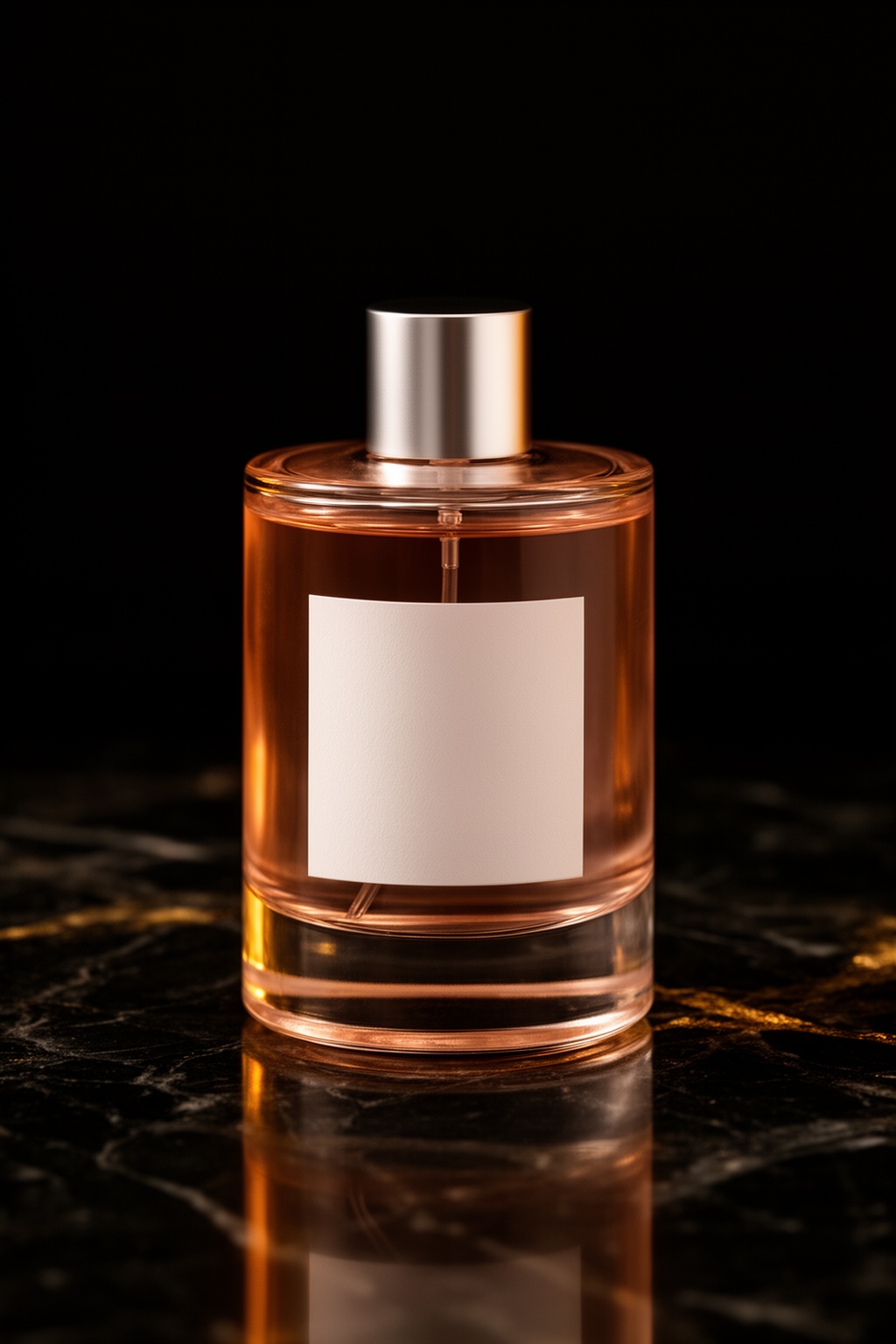
Citrus notes in perfume are the single most universally loved scent family in fragrance—and also the most misunderstood. Everyone recognizes them. Few people know why they disappear in an hour, why some smell synthetic while others smell like you bit straight into the rind, or why perfumers keep reaching for them even when they're famously fleeting.
This guide fixes all of that. Whether you're a citrus obsessive or just trying to understand what that zesty opening note actually is, you're in the right place.
What Are Citrus Notes, Exactly?
Citrus notes come from the peel—not the juice. The rind of fruits like bergamot, lemon, bitter orange, grapefruit, yuzu, and mandarin contains volatile aromatic compounds called terpenes. The most important of these is limonene, a molecule responsible for that sharp, bright, instantly recognizable zest. Cold-pressing the peel extracts these compounds as essential oils.
The catch: terpenes evaporate fast. That's exactly what makes citrus notes feel so alive on first spray—and exactly why they're gone within 30–90 minutes on skin. They sit almost entirely in the top-note tier of a fragrance's structure.
To learn more about the molecules doing the heavy lifting in your bottle, check out our deep dive on what aroma chemicals actually are.
The Main Citrus Players—and How They Differ
Not all citrus smells the same. The family is surprisingly diverse once you know what to sniff for.
- Bergamot — The workhorse. Floral, slightly powdery, almost tea-like. The backbone of Eau de Cologne and about 40% of all fine fragrances. Think Earl Grey, but make it luxury.
- Lemon — Sharp, clean, tart. The most linear of the group. Used in fresh aquatics and barbershop classics. Smells exactly like what it is—no surprises.
- Grapefruit — Bitter-edged, slightly metallic in a good way. Fantastic in skin scents and sport fragrances. Has a candied quality when overdone.
- Yuzu — The interesting one. Japanese citrus with floral and tart edges that smell almost green. Yuzu is trending hard right now, and for good reason—it reads as both exotic and approachable.
- Mandarin & Tangerine — Sweeter, rounder, less sharp. Great for warmer or gourmand citrus compositions. Kid-friendly without being childish.
- Bitter Orange (Neroli/Petitgrain) — More floral and sophisticated. Neroli comes from the blossoms; petitgrain from the leaves and twigs. Both add complexity that straight lemon can't touch.
Why Citrus Notes Fade—and How Perfumers Fight It
Here's the science that changes everything: because limonene and other citrus terpenes are so volatile, perfumers have developed clever workarounds to make citrus last on skin.
The most common fix is hedione (methyl dihydrojasmonate), a synthetic molecule that mimics the fresh, transparent quality of citrus without evaporating as quickly. Another trick is pairing citrus top notes with a woody or musky dry-down that echoes the brightness—so your brain keeps perceiving freshness even after the actual citrus is gone. Understanding why perfumes smell different on your skin is key here, because body chemistry affects how fast those top notes burn off.
Some niche houses use captive molecules—proprietary aroma chemicals that behave like citrus but linger for hours. You smell lemon; your nose doesn't know it's a lab-built approximation. Neither does it care.
Citrus notes don't last because they're cheap—they fade because they're alive. That's the whole point.
Citrus Families at a Glance
| Note | Character | Longevity on Skin | Best Paired With |
|---|---|---|---|
| Bergamot | Floral, tea-like, soft | 45–90 min | Musks, rose, woods |
| Lemon | Sharp, tart, clean | 30–60 min | Herbs, aquatics, vetiver |
| Grapefruit | Bitter, slightly metallic | 30–60 min | Green notes, skin musks |
| Yuzu | Tart, floral, green | 45–75 min | Hinoki, white tea, florals |
| Mandarin | Sweet, round, sunny | 60–90 min | Vanilla, amber, spice |
| Neroli | Floral-citrus, powdery | 60–120 min | Jasmine, sandalwood, musk |
If you love the bright citrus-over-warm-base formula and want something that works for any gender, our roundup of best unisex fragrances is worth a read—citrus-led scents dominate that list for a reason.
FAQ
Why does my citrus perfume smell great in the bottle but disappear on my skin?
Your skin's pH, temperature, and oil content all affect how fast top notes evaporate. Drier skin loses citrus faster. Moisturize before applying, and spray on pulse points where warmth slows evaporation. Also consider whether you're reaching for an Eau de Toilette when an Eau de Parfum concentration of the same fragrance would serve you better.
Are synthetic citrus aroma chemicals worse than natural ones?
Not inherently—and sometimes the opposite is true. Natural lemon oil can vary batch to batch and may cause photosensitivity. Synthetic citrus molecules like citral or limonene (also naturally occurring but often lab-synthesized for purity) offer consistency and can be engineered for better longevity. The nose doesn't care about the origin; it cares about the smell.
What's the best citrus note for people who hate sharp, sour scents?
Go for neroli or mandarin first. Both are rounder, softer, and far less aggressive than straight lemon or grapefruit. Bergamot is another safe entry point—its floral character smooths out the acidic edge that turns some noses off citrus entirely. Yuzu can also work if you like a subtle tartness without the bite.