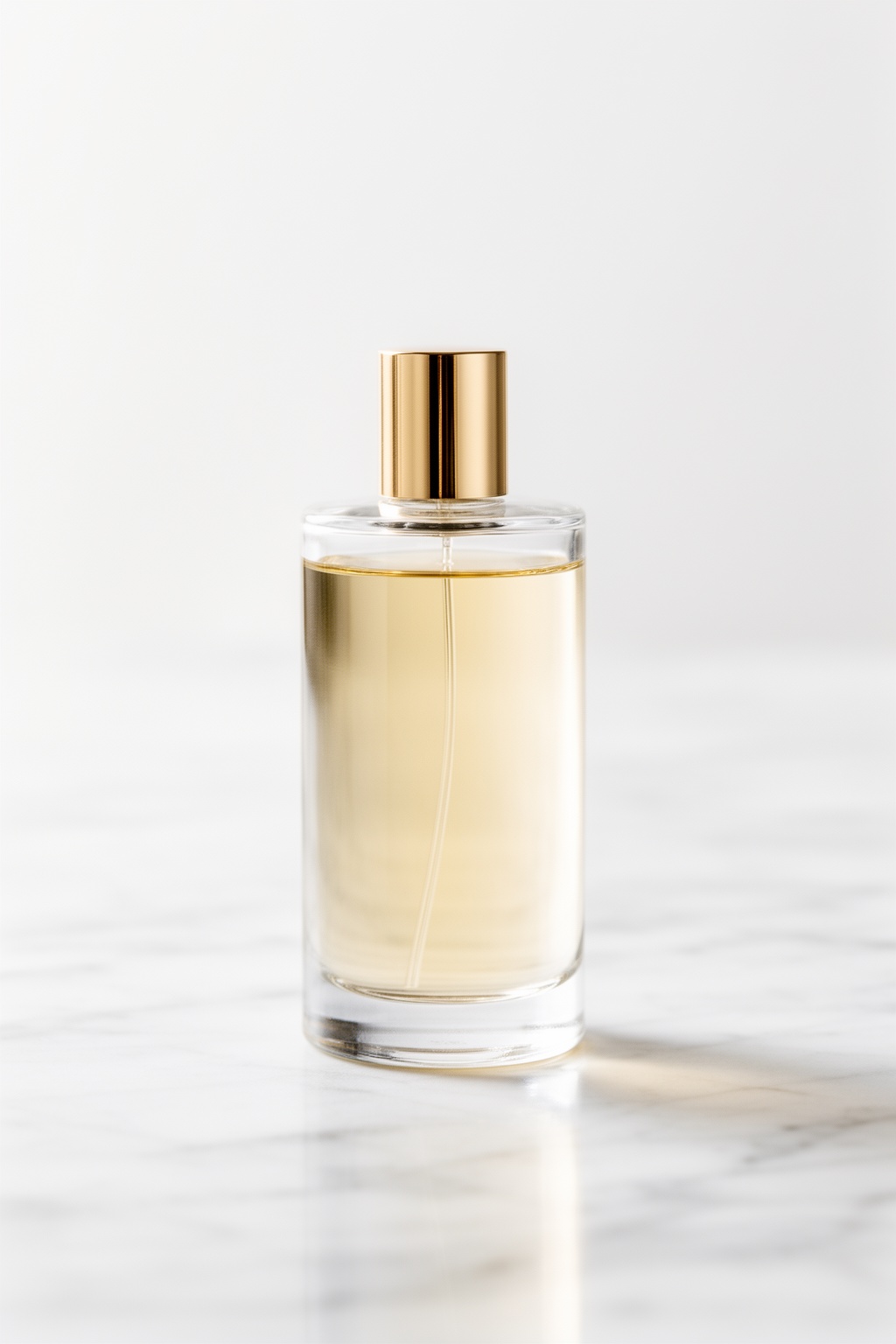
Perfume does not have an expiry date printed on it, but it absolutely goes bad - and the difference between a bottle that lasts ten years and one that turns sour in eighteen months is storage.
The three enemies
- Light: UV breaks fragrance molecules apart. A bottle on a sunny shelf ages in months.
- Heat: every degree accelerates oxidation. Bathrooms are perfume graveyards - steamy, hot, bright.
- Air: each spray lets a little oxygen in; half-empty bottles age faster.
The rules
- Keep bottles in their original boxes - the packaging is UV armor.
- Choose a cool, dark drawer or closet, never the bathroom.
- Keep caps on tight; leave the sprayer in place - opening the bottle is the fastest way to kill it.
- Decant a travel atomizer instead of carrying the full bottle around.
The fridge question
A wine-fridge temperature (12-14 C) is genuinely excellent for fragrance - collectors use dedicated mini-fridges. The kitchen fridge works too, but temperature swings from door-opening and food odors make a dark closet the better everyday answer.
You paid for the juice. The box and the closet are free insurance.
How to tell a perfume has turned
Darkened color, a sour or metallic opening, or a vinegar edge on first spray. The base usually survives longest. If your scent died on skin rather than in the bottle, that is a different problem - see why your perfume does not last.