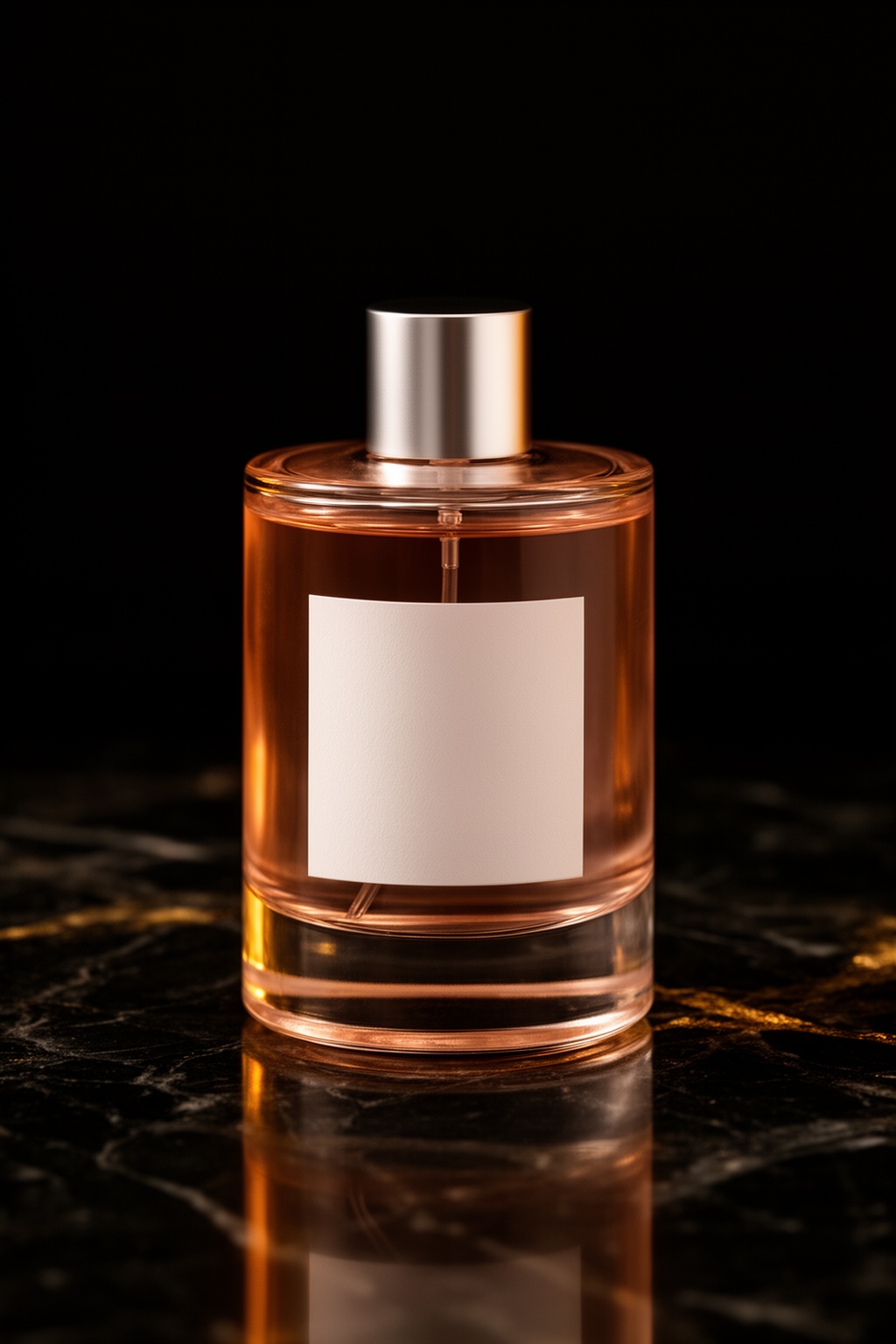
Fruity notes in perfume are among the most misunderstood ingredients in modern fragrance — dismissed as "young" or "cheap" by snobs, yet quietly powering some of the most beloved and bestselling scents on the planet. Chanel Chance. Lancôme La Vie Est Belle. Half the flankers in Sephora. If you've ever wondered what makes a perfume smell juicy, bright, or almost edible, you're already thinking about fruit.
What Fruity Notes Actually Are
Here's the first thing to get straight: almost no perfume uses real fruit juice. Citrus is the big exception — lemon, bergamot, grapefruit, and orange can be cold-pressed or steam-distilled into usable essences. But most other fruits? They don't give up their scent easily. Try squeezing a peach over a strip of blotter. You'll get sticky fingers, not perfume.
So perfumers reach for aroma chemicals — synthetic molecules engineered to mimic or evoke specific fruits. Peach and apricot are famously conjured by a family of molecules called lactones, which smell creamy and fuzzy at the right dosage. Blackcurrant gets its distinctive catty-green zing from 4-mercapto-4-methylpentan-2-one (also found in Sauvignon Blanc). Raspberry comes largely from a ketone called frambinone. These aren't cheap shortcuts — they're precision tools.
For a deeper dive into how citrus fruits specifically work as top notes, check out our Citrus Notes in Perfume guide.
The Fruit Family Tree: Which Notes Matter Most
Not all fruits behave the same way in a formula. Here's how the main players shake out:
| Fruit Note | Character | Typical Role | Lasts on Skin? |
|---|---|---|---|
| Bergamot | Citrusy, floral, slightly spicy | Top note opener | 30–90 min |
| Peach / Apricot | Creamy, fuzzy, warm | Heart or bridge note | 2–4 hrs |
| Blackcurrant (Cassis) | Sharp, green, catty | Top / heart edge | 1–2 hrs |
| Raspberry | Sweet, slightly tart | Heart note sweetener | 2–3 hrs |
| Pear | Soft, watery, delicate | Airy top note | 45–90 min |
| Plum | Dark, rich, slightly boozy | Heart / base bridge | 3–5 hrs |
| Lychee | Floral-sweet, tropical | Heart note lift | 1–3 hrs |
Notice the pattern: lighter, water-heavy fruits evaporate fast. Richer, darker fruits — plum, fig, black cherry — anchor deeper into the dry-down and often flirt with the base. This is why night-out fragrances lean on plum and dark berry rather than pear and grapefruit.
How Fruity Notes Change a Formula
Fruit does three main jobs in a perfume formula, and understanding them changes how you evaluate a scent.
1. It opens up the top. Bright fruits — citrus, cassis, pear — create that crucial first-spray punch. They're what makes someone across the counter say "oh, that's nice." The tradeoff: they burn off fast. Don't judge longevity from the first five minutes.
2. It sweetens without sugar. Gourmand vanillas and caramels can tip into cloying. A raspberry or peach note adds sweetness with a tart edge that keeps things lively. Think of it as the lemon in a dessert recipe — balancing richness.
3. It softens transitions. A plum or fig note acts as a bridge between a floral heart and a woody or musky base, smoothing out what might otherwise feel like a harsh handoff. This is why fruity-florals remain the dominant commercial category — the fruit does diplomatic work.
"Fruit in perfume isn't decoration — it's architecture."
This structural role is also why minimal, stripped-back fragrances rarely go fruity. If you're drawn to clean, skin-close scents, read our piece on what a skin scent actually is — fruit usually wants to project, not whisper.
Common Traps (and How to Avoid Them)
A few honest warnings before you go sniffing everything with a berry on the bottle:
- Synthetic fruit can smell sharp or medicinal at high concentrations — especially raspberry and watermelon. Quality of ingredients matters enormously here.
- Peach lactones read as skin-like and sensual in small doses, but crank them up and you're in candy territory fast.
- "Fresh fruit" claims on body sprays almost always mean weak, fast-fading top notes with little structure underneath. Check sillage and projection before committing to a full bottle.
- Dark fruits age well; light fruits don't. If you're layering or storing, lean plum and cassis over pear and melon.
FAQ
Are fruity perfumes only for younger wearers?
Absolutely not — this is one of perfumery's most persistent myths. Opium, Mitsouko, and Shalimar all carry distinct fruit signatures (peach lactones feature heavily in classic orientals). The difference is context and balance: fruit paired with resin, wood, or spice reads as sophisticated. Fruit alone, with no grounding, can skew sweet. Age has nothing to do with it.
Why does the fruity note disappear so fast on my skin?
Most fruit molecules are volatile — they have low boiling points, which means they evaporate quickly. This is especially true of citrus and light berries. If you want the fruit to last, look for fragrances where it's anchored by musks or woods in the base, or try applying to hair or fabric where volatilization is slower.
Can I build a fruity scent through layering?
Yes, and it's one of the easiest layering categories to experiment with. A citrus cologne over a warm vanilla base, for example, creates a peach-adjacent effect. A light berry body mist under an oud-based EDP can add brightness without overwhelming the darker notes. Keep the fruit layer light — it's the seasoning, not the main course.