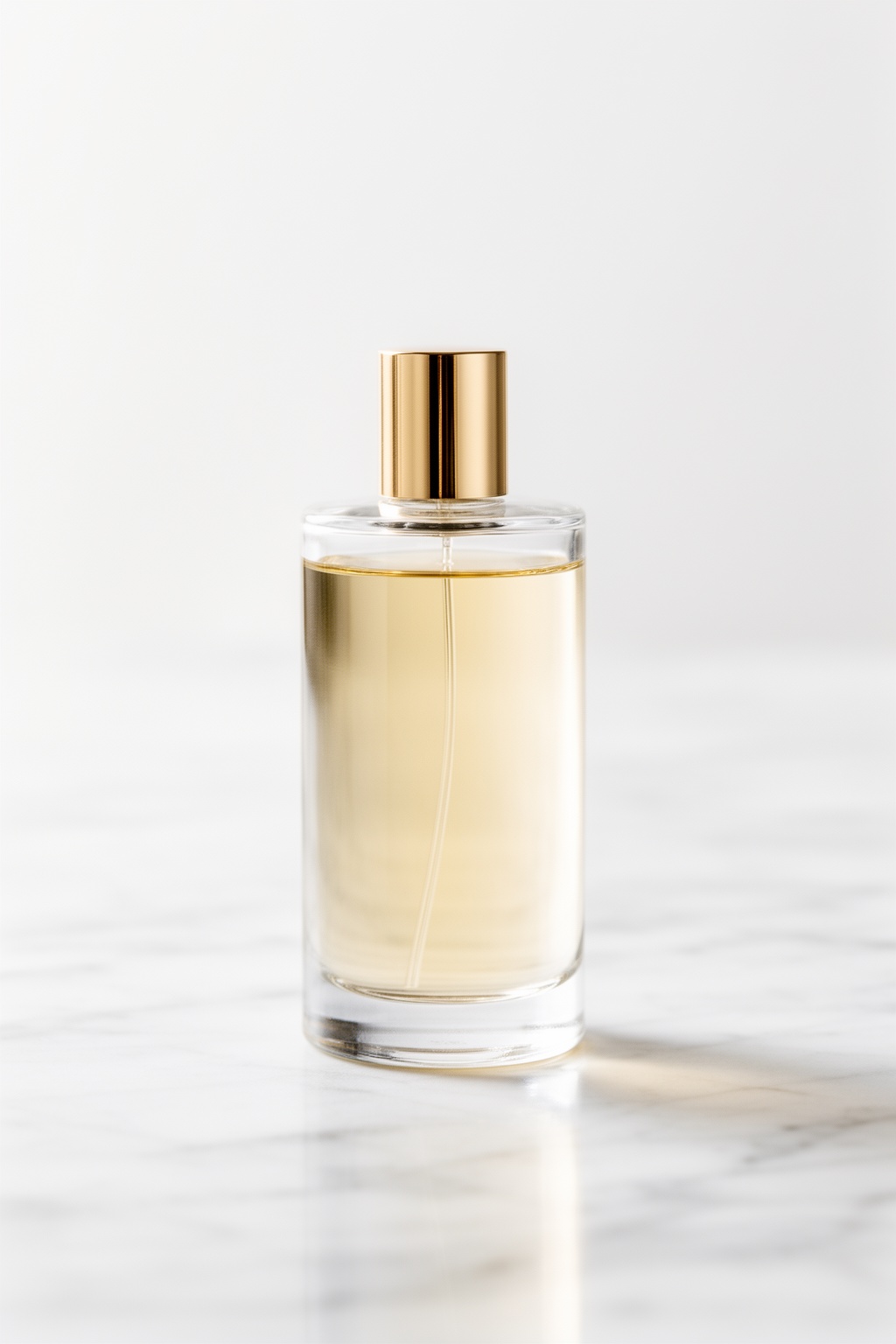
Spray a freshly blended perfume and it smells thin, boozy, disjointed. The same liquid four weeks later smells round, deep, finished. Nothing was added. That transformation is maceration - and it is the least understood step in all of perfumery.
What actually happens
In the resting bottle, three slow processes run: alcohol and oils homogenize into one solution; volatile harsh top molecules evaporate or bind; and trace oxidation creates new bridge molecules that knit the composition together. Perfumers call the result rounding.
The practical rules
- DIY blends: shake daily, rest in a dark cupboard 3-4 weeks minimum. Our 40-drop method builds this into the recipe.
- New store-bought bottles: most are already rested, but clone-house juice sometimes ships young - if a new bottle smells harsh, give it two weeks in the closet before judging.
- Storage matters during rest: dark and cool, same rules as long-term storage.
The myths
Fridge maceration does not speed anything - cold slows chemistry. Heat maceration (radiators, car dashboards) works but degrades top notes permanently; patience is the only free lunch. And no, shaking violently for an hour does not replace three weeks.
Perfume is the only hobby where doing nothing is a technique.